What is Air Duct Sanitizing & Deodorizing and how does it work?
Air duct sanitizing and deodorizing is a process that kills mold, bacteria, and other microbes inside your ductwork, then neutralizes odors at the source rather than just masking them.
Think of it like this: your ductwork is the lungs of your house. Over time, dust, pet dander, pollen, and moisture build up inside those metal or flex ducts. That buildup can grow mold or mildew, especially in Huntsville's humid summers. A standard duct cleaning removes the loose debris. But it doesn't always kill what's living on the surfaces. That's where sanitizing and deodorizing comes in.
Sanitizing uses an EPA registered antimicrobial agent, usually applied as a fog or spray, that coats the interior surfaces of your ducts. It kills mold spores, bacteria, and viruses on contact. Deodorizing is a separate step that uses an odor neutralizer (often a botanical enzyme or an ozone generator) to break down the molecules causing smells. The two are often done together because cleaning alone can leave behind a musty odor that returns quickly.
A common misunderstanding is that sanitizing is the same as cleaning. It's not. Cleaning physically removes dirt and debris. Sanitizing kills the living stuff. If you skip the cleaning first, you're just spraying over dirt, which wastes your money. The right order is always: clean thoroughly, then sanitize, then deodorize if needed.
In Huntsville, we see a lot of homes with crawlspace ducts that pull in damp air. That moisture feeds microbial growth. A good sanitizing treatment will address that. But it won't fix a leaky duct or a standing water problem. Those have to be fixed first, or the sanitizing is just a temporary fix.
The whole process usually takes a couple of hours for a typical home. The crew seals off your supply registers, runs a high powered vacuum to pull air through the system, then uses agitation tools to knock debris loose. After that, they fog the sanitizer through the entire duct network. Then they fog the deodorizer. You'll notice the difference in air quality within a day or two.
How Air Duct Sanitizing & Deodorizing works, step by step
The process follows a specific sequence: inspection, cleaning, sanitizing, deodorizing, and a final check. Each step has a purpose and skipping any one can leave you with a half done job.
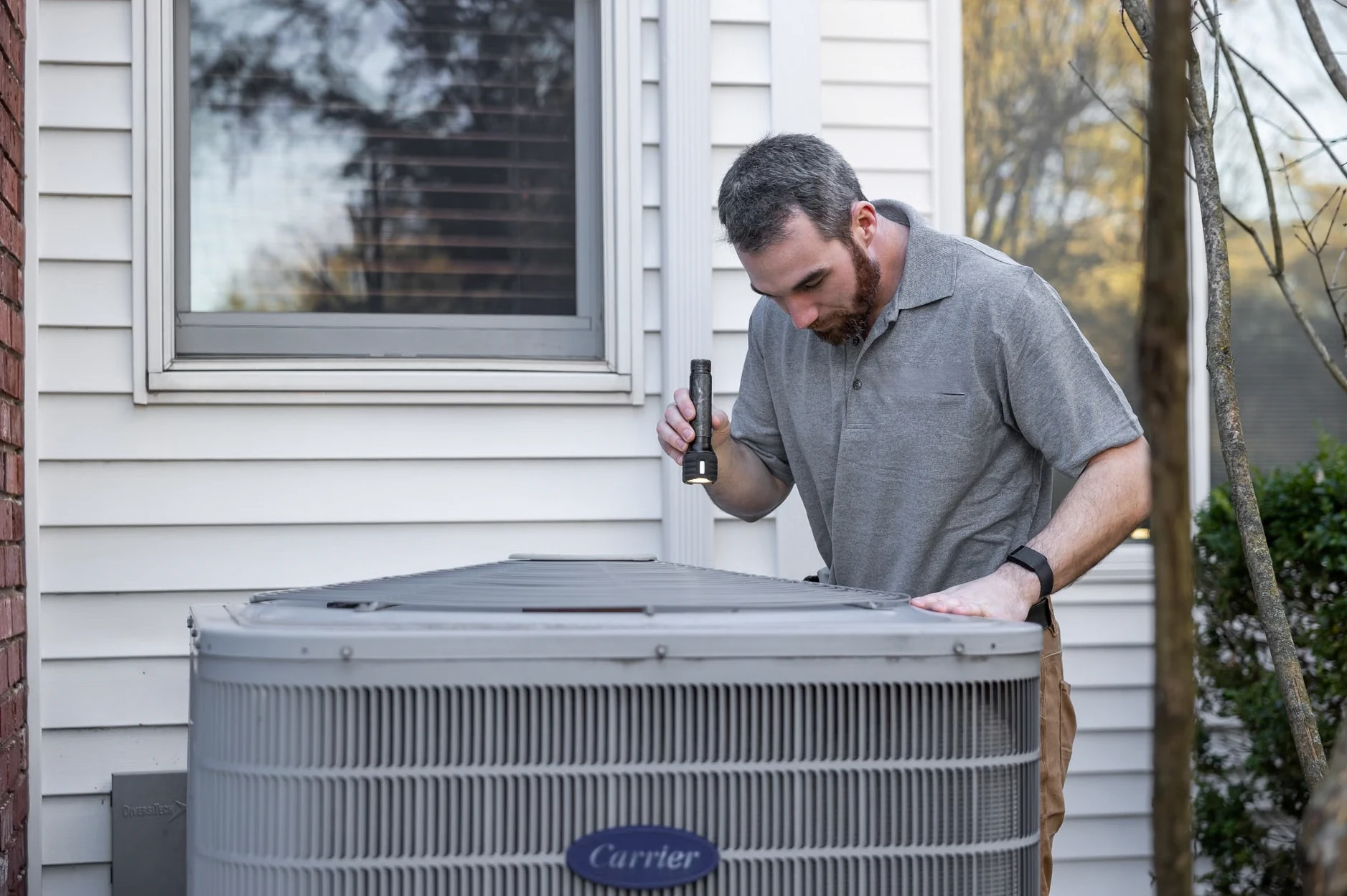
First, the technician does a visual inspection. They pop off a few supply registers and look inside with a camera or a strong light. They're checking for heavy debris, mold growth, rodent droppings, or signs of moisture. If they find standing water or a collapsed duct, they'll stop and tell you that needs to be fixed before anything else. No point sanitizing a duct that's still wet.
Next comes the cleaning. The crew seals off all the registers with temporary covers. Then they cut a small access hole in the main trunk line (they patch it later) and insert a powerful vacuum hose. That creates negative pressure so nothing escapes into your living space. They use compressed air whips or rotary brushes to blast debris loose, and the vacuum pulls it all out. This step can take an hour or more depending on how dirty your system is.
After the ducts are clean, they fog the sanitizer. The machine they use is called a ULV fogger. It turns the liquid antimicrobial into a fine mist that floats through every branch of the ductwork. The mist coats the interior surfaces evenly. The sanitizer has to stay in contact with the surface for a set amount of time (usually 10 to 15 minutes) to kill microbes. The technician will tell you how long to keep the system off so the treatment can work.
Deodorizing comes next. This step uses a different product, usually an enzyme based neutralizer that breaks down odor molecules. It's also fogged into the ducts. Some companies use an ozone generator instead, which produces ozone gas to oxidize odors. Ozone is effective but you and your pets have to leave the house during treatment and for a few hours afterward. Enzyme treatments are safer and don't require evacuation. Ask your contractor which method they use.
Finally, the technician runs a quick test. They turn the HVAC fan on and check that air is flowing properly from every register. They also sniff test a few vents to make sure there's no residual chemical smell. If everything checks out, they patch the access hole and clean up any mess. You're good to go.
Why Air Duct Sanitizing & Deodorizing matters for your home
It matters because your HVAC system recirculates air through your entire house every few hours. If that air is carrying mold spores or musty odors, you breathe it and smell it all day long.
Huntsville's climate is humid. We get hot, sticky summers and damp springs. That moisture can get into your ductwork through condensation, crawlspace air, or a leaky roof boot. Once mold starts growing, it releases spores into the air every time your system runs. Those spores can trigger allergies, asthma, and sinus issues. Sanitizing kills the source, not just the symptoms.
Odors are another big reason. Maybe you had a pet that had an accident near a floor register. Or you had a mouse die in the ductwork. Or you just have that old house smell that won't go away. Cleaning alone won't get rid of those smells because the odor molecules are embedded in the duct surfaces. Deodorizing neutralizes them at a chemical level. Your house smells fresh, not like bleach or perfume.
There's also the efficiency angle. A clean, sanitized duct system allows air to move freely. When mold or heavy debris builds up, it restricts airflow. Your HVAC system has to work harder, which can raise your electric bill and shorten the life of your equipment. Sanitizing won't fix a dirty filter or a clogged coil, but it does keep the duct surfaces smooth and clean.
One thing most homeowners don't think about: the ductwork in a typical Huntsville home is a closed system. You can't see inside it. So you don't know if there's mold until you smell it or someone gets sick. A one time sanitizing treatment every few years is cheap insurance. It's like changing your oil. You don't wait for the engine to seize.
Common problems and what causes them
Most duct odors and microbial issues in Huntsville homes come from three sources: moisture, pets, and poor maintenance. Each one requires a slightly different approach.
Moisture is the biggest culprit. Huntsville gets about 54 inches of rain a year. That's a lot of water. If your crawlspace isn't sealed or your attic has a leak, that moisture finds its way into your ducts. You'll notice a musty, earthy smell when the heat or AC first kicks on. The fix is to find and stop the moisture source, then clean and sanitize the ducts. If you just sanitize without fixing the leak, the mold will be back in a few months.
Pets are another common source. Dogs and cats shed dander and hair, which builds up in the ductwork. Over time, that organic material starts to break down and smell. It's not mold, but it can smell just as bad. A thorough cleaning followed by an enzyme deodorizer will knock that smell out. You might need to do it more often if you have multiple pets.
Rodents are a problem in older Huntsville neighborhoods. Mice and rats can get into ductwork through gaps around the foundation or roof. They leave droppings, urine, and sometimes a dead body. That smell is intense and doesn't go away with cleaning alone. You need to sanitize to kill any bacteria from the droppings, then deodorize to neutralize the urine odor. And you have to seal the entry points or the problem repeats.
Then there's the simple issue of neglect. Most homeowners never think about their ducts until something goes wrong. After years of running the system without changing filters regularly, dust and dander build up. That buildup can hold moisture and create a breeding ground for bacteria. A routine cleaning and sanitizing every three to five years prevents that. It's not expensive compared to the cost of replacing mold damaged ductwork.
One edge case: new construction homes. The drywall dust, sawdust, and other construction debris can get into the ducts before you move in. That debris can hold moisture and grow mold. If you buy a new home in Huntsville, it's worth having the ducts inspected and sanitized before you move your furniture in. It's a lot easier to do when the house is empty.
Common questions about Air Duct Sanitizing & Deodorizing
Frequently Asked Questions
How often should I have my air ducts sanitized and deodorized?
Most homes in Huntsville benefit from sanitizing every three to five years. If you have pets, smokers, or a history of moisture issues, you might need it every two years. There's no set rule, but if you notice a musty smell when the system runs, it's time.
Is sanitizing the same as cleaning?
No. Cleaning removes physical debris like dust and hair. Sanitizing kills microbes like mold and bacteria. They are two separate steps. A good company does both. If someone offers sanitizing without cleaning first, they're not doing the job right.
Can I deodorize my ducts myself with a spray can?
You can buy a spray can at a hardware store, but it won't reach the whole system. It only treats the first few feet of duct from the register. The rest of the ductwork stays untreated. A professional fogger reaches every branch. DIY sprays are a band aid, not a fix.
Will sanitizing get rid of the smell from a dead animal in the duct?
Yes, but only after the animal is removed. If a mouse or rat died in your ductwork, you have to find and remove the carcass first. Then cleaning and deodorizing will neutralize the remaining odor. If you skip the removal, the smell comes back.
Is it safe to be in the house during sanitizing?
It depends on the product. Most antimicrobial fogs used by professionals are safe for humans and pets once they dry. But you should stay out of the house during the application and for about an hour afterward. If they use ozone, you have to leave for several hours. Ask your contractor which method they use.
Will sanitizing improve my air quality?
Yes. By killing mold, bacteria, and viruses in the ductwork, you stop those particles from being recirculated into your living space. People with allergies or asthma often notice a difference within a day or two. It's not a cure all, but it helps a lot.
How long does the sanitizing treatment last?
The antimicrobial effect lasts as long as the surface stays dry and clean. If you have a moisture problem, it can fail in months. In a dry, well maintained system, it can last for years. The deodorizing effect lasts until new odor sources are introduced.
Do I need to replace my air filters after sanitizing?
Yes. You should always put in a fresh filter after any duct cleaning or sanitizing. The old filter will have captured some of the debris that was knocked loose. A new filter ensures the system runs efficiently and keeps the air clean.
Will sanitizing fix a mold problem in my HVAC system?
It will kill the mold in the ductwork, but it won't fix the underlying moisture issue. If you have a leaky duct or a wet crawlspace, the mold will come back. Sanitizing is part of the solution, but you have to address the cause of the moisture too.
How do I know if my ducts need sanitizing?
The most obvious sign is a musty or stale smell when the system runs. You might also see visible mold around the registers or notice increased allergy symptoms. A visual inspection by a professional is the best way to know for sure.
Need air duct cleaning in Huntsville? Get a free estimate today.
📞 256-877-0831